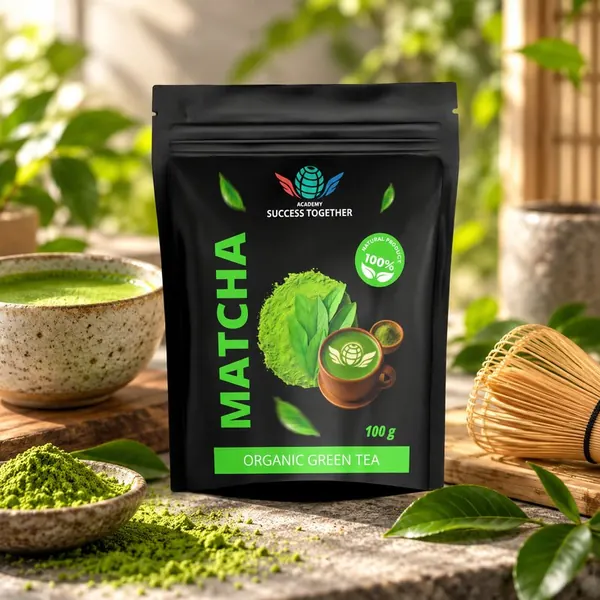
Success Matcha
Powdered matcha for a tea ritual, 92% matcha, sweetened with stevia.
- Powder
- Caffeine: yes
- Documents published
17,600 ₸recorded 14.11.2026
3 080 ₽$44.00
 STGO
Become a partner

In short: the ingredient list is read from top to bottom — from what there is most of to what there is least of. Food additives are labelled with their function; a food supplement must carry the words “Not a medicine” and a registration certificate number that can be checked in a public register. Below it is step by step, with examples from the catalogue.
Updated 28.09.2026. A food supplement is not a medicine.
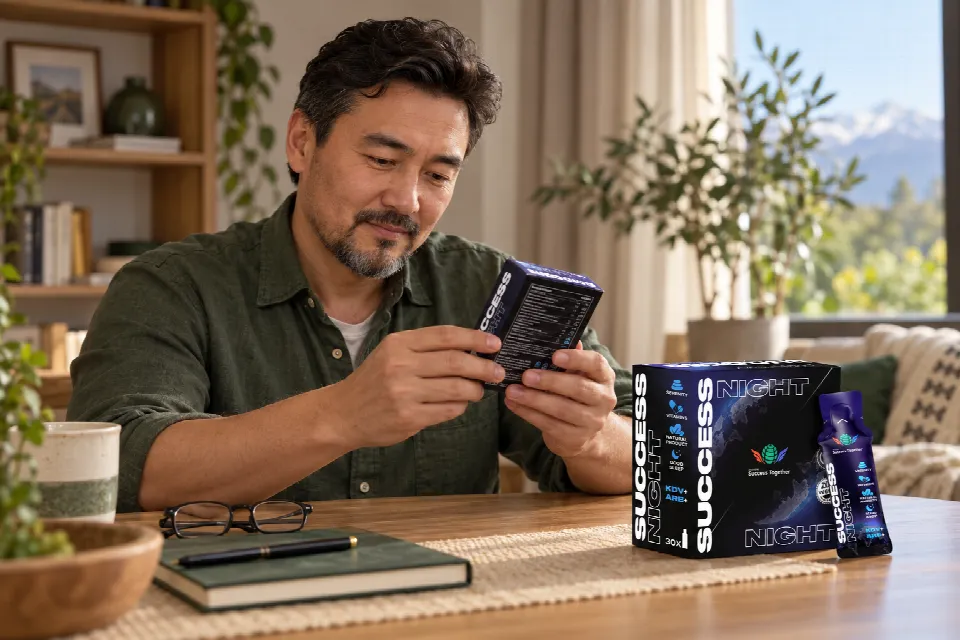
Under the technical regulation on food labelling, components are listed in descending order of their mass share at the time of production. Components making up 2% or less may be listed in any order, but after the others.
Example — Success Matcha: matcha comes first (92.2 g per 100 g of powder) and the sweetener stevioside last (0.01 g). If the order were reversed, it would be a completely different product.
Food additives are written on the pack like this: first the function, then the name or the code in the international (INS) or European (E number) system. An E number by itself means only that the additive is listed in the coding system.
Example — Success Green: “stabiliser (carboxymethylcellulose)”, “citric acid (acidity regulator)”. The word before the brackets explains why the additive is in the product.
Sometimes the manufacturer names a group of components in one line and gives the total weight — for example, “blend of plant extracts” with an amount in milligrams. Such an entry shows what the blend contains, but not how much of each component.
This is acceptable for labelling, but products cannot be compared by an individual component in that case: the figure simply is not there. If the manufacturer has not given it, we do not state it either.
For food supplements this label is mandatory under the unified sanitary requirements of the EAEU. It is a reminder that a food supplement is a food product, not a treatment.
If a supplement pack does not have this label, that is a reason for caution and for checking the product’s document before buying.
A supplement pack shows the number of its state registration certificate. It can be found in the unified register of certificates of the Eurasian Economic Commission: the document must exist and be valid, and the product name must match the pack.
The documents for Success Together products that we found are collected on the Documents page — with the number, validity period and a scan. It also shows which products the manufacturer has not yet published documents for.
| What to look at | Where on the pack | What it tells you |
|---|---|---|
| Order of components | Ingredients | What the product mainly consists of |
| Function of additives | Ingredients, the word before the brackets | Why the additive is in the product |
| “Not a medicine” | Next to the name or the ingredients | Confirmation that it is a supplement, not a medicine |
| Certificate number | Usually next to the manufacturer details | It can be checked in the EAEU register |
| Restrictions | The “Contraindications” or “Restrictions” section | Who the product is not recommended for, according to the manufacturer |
The ingredient list shows what the product contains and in what order. It does not confirm promises from advertising or social media: a food supplement is not a medicine and is not intended to treat or prevent diseases. Marketing names such as “cellular nutrition” are not terms either — we have a separate article about that.
During illness, pregnancy, breastfeeding or while taking medicines, it is better to discuss the use of any supplement with a doctor.
Powdered matcha for a tea ritual, 92% matcha, sweetened with stevia.
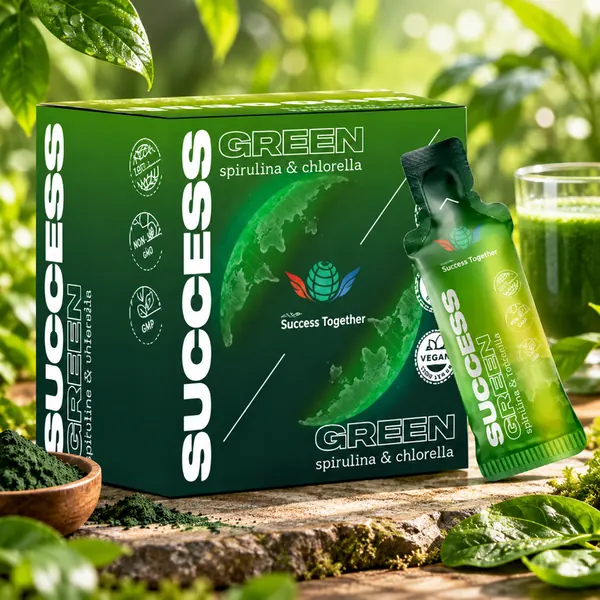
Spirulina and chlorella with 11 vitamins and 4 minerals, in a stick.
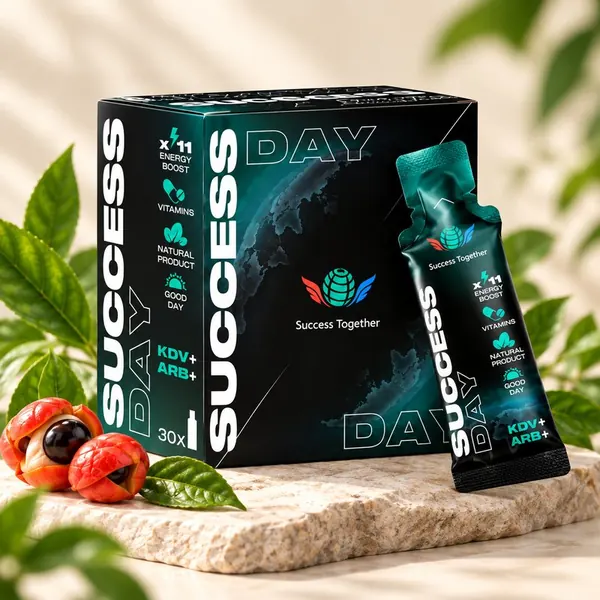
Daytime stick with 14 plant extracts, guarana and caffeine, 30 servings.