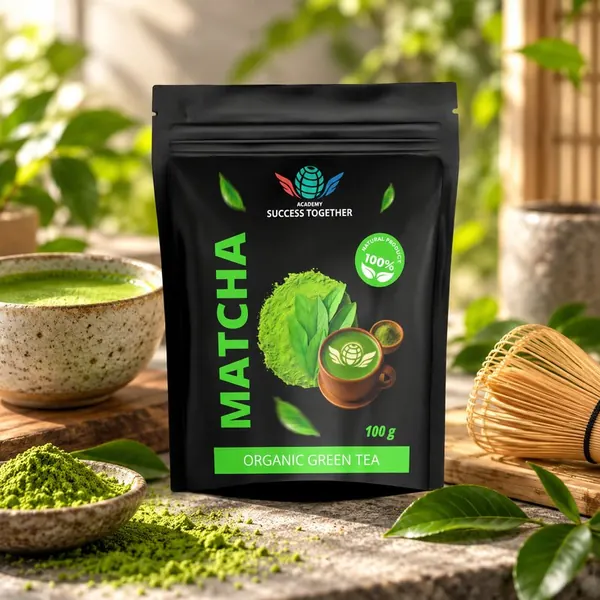
Success Matcha
Powdered matcha for a tea ritual, 92% matcha, sweetened with stevia.
- Powder
- Caffeine: yes
- Documents published
17,600 ₸recorded 14.11.2026
3 080 ₽$44.00
 STGO
Become a partner

In short: matcha is a Japanese powdered green tea. The tea bushes are shaded before harvest and the leaves are then ground into a fine powder, so the whole leaf ends up in the cup rather than an infusion. Below is how it differs from regular green tea, how it is prepared and what the Success Matcha ingredients say.
Updated 28.09.2026. A food supplement is not a medicine.
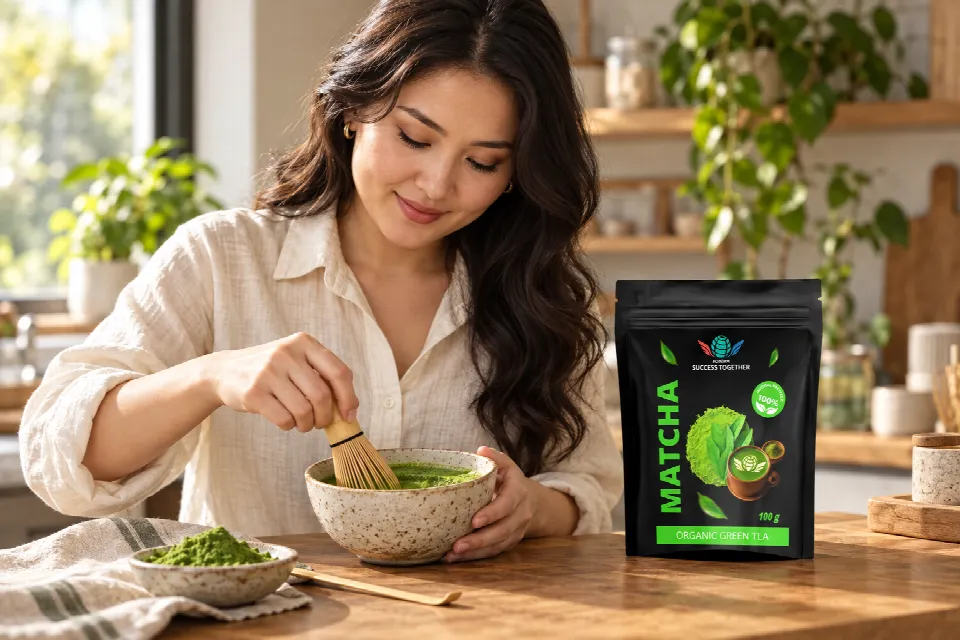
Matcha is a Japanese powdered green tea. The tea bushes are covered from direct sunlight before harvest, and the picked leaves (tencha) are ground into a bright green powder with a talc-like texture.
Regular green tea such as sencha is brewed from leaves: you drink the infusion and discard the leaves. Matcha is not steeped: the powder is whisked into water and drunk whole, together with the leaf.
| Leaf green tea | Matcha | |
|---|---|---|
| What is in the cup | an infusion; the leaves stay in the teapot | the whole leaf as a powder |
| How it is prepared | poured over and steeped | the powder is whisked with water |
| Appearance | a clear infusion | an opaque bright green drink |
Traditionally the powder is mixed not with boiling but with hot water — about 80 °C — and whisked with a bamboo chasen whisk until smooth.
For Success Matcha the store suggests whisking 1–2 g of powder with 70–80 ml of hot, not boiling, water. The manufacturer’s page gives 50–100 ml and 70–80 °C. Check the pack before preparing.
Yes, it is a common way: matcha is added to milk lattes, cold drinks and desserts.
The manufacturer of Success Matcha does not describe a milk method — its recommendation mentions only hot water. The ingredients already include the sweetener stevioside, so adding sugar is optional — a matter of taste.
Yes. Matcha is green tea and contains caffeine naturally: the Success Matcha description says so too. The manufacturer does not state how much caffeine one serving contains.
If you limit caffeine, take it into account just as with regular tea or coffee. During pregnancy, breastfeeding, illness or while taking medicines, it is better to discuss use with a doctor.
Success Matcha is not pure matcha: besides powdered tea it contains arabinogalactan and dihydroquercetin from Siberian larch and a sweetener. Figures are per 100 g of powder, according to the manufacturer.
| Component | Per 100 g of powder |
|---|---|
| Matcha | 92.2 g |
| Arabinogalactan | 7.5 g |
| Dihydroquercetin | 0.25 g |
| Stevioside (sweetener) | 0.01 g |
Success Matcha is a functional product, not a medicine. The restriction stated by the manufacturer is individual intolerance to the components; the list may be incomplete.
Powdered matcha for a tea ritual, 92% matcha, sweetened with stevia.
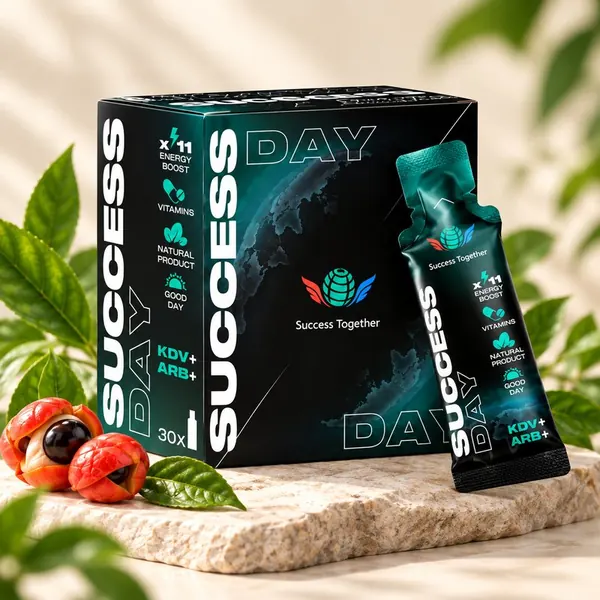
Daytime stick with 14 plant extracts, guarana and caffeine, 30 servings.
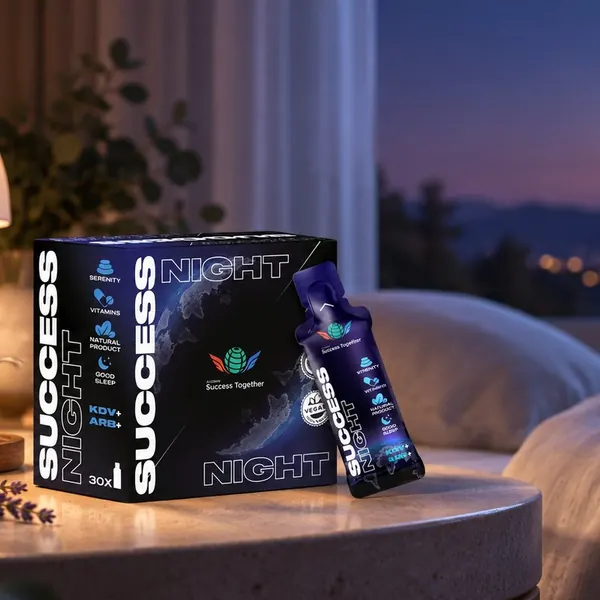
Caffeine-free evening stick with magnesium, valerian, hops and passionflower.